The numbers are clear: less than 15% of candidates cross the finish line of the national competitions for French art schools. In preparatory workshops, the hours often exceed those of scientific fields, according to Fnap. From the first week, some institutions require a personal artistic portfolio. No individualized support: everyone must dive in, move forward cautiously. However, working in small groups changes the game. Thanks to this close monitoring, the chances of getting into a recognized school increase significantly. Each year, alumni receive two to three admission offers. A rate that remains discreet during open days, but makes all the difference.
What does daily life in an art preparatory program really look like?
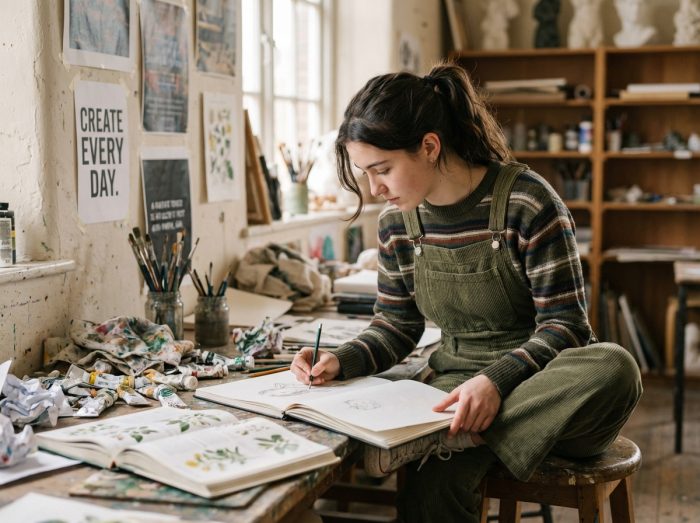
At dawn, notebook under their arm, students take possession of the art preparatory workshops. Sheets, brushes, tubes of paint are spread out on the tables: everything is ready for a busy day. Drawing classes follow one another, followed by composition exercises and group corrections. Intense practical sessions alternate with art history, which adds meaning to all this brainstorming. The first year in art preparatory school leaves no downtime: students must learn to defend every choice, to justify their sketches and projects in front of demanding teachers.
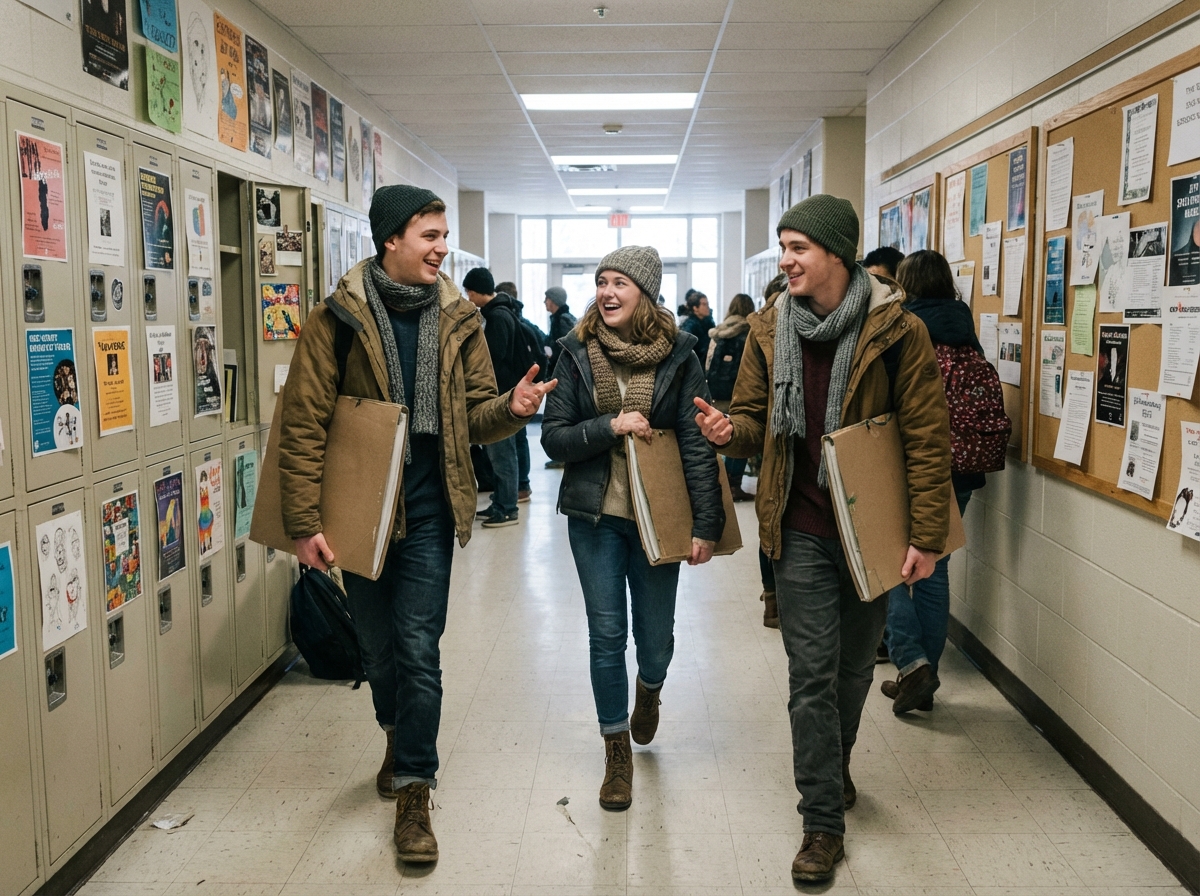
The daily life of students in an art preparatory year is not limited to four walls: preparing a solid portfolio, guessing the expectations of competitions, juggling between plastic experimentation and keeping up with artistic trends. Whether in Paris or elsewhere, everyone must catch up, whether they come from a general or technological background. Mutual aid quickly becomes a habit: sharing materials, debating inspirations, supporting each other before jury presentations.
The ever-present selection also shapes social life. Some stay up late to finish a board, while others take breaks to maintain their momentum. Preparatory classes thus create a true collective experience: everyone learns to navigate between autonomy and listening, rigor and risk-taking.
Between workshops, projects, and meetings: a creative and demanding immersion
The pace in art preparatory school is intense: collective workshops, personal research, nothing is left to chance. Creation is at the heart of the days: observation sketches, experiments in plastic arts, first steps in art design or animation. Art history classes punctuate the week, providing reference points to fuel reflection. Each institution, whether in Paris, Lyon, or Strasbourg, cultivates its own identity, but all share the same requirement: learning to look differently, to understand what one is doing, to transform an idea into an image.
As the days go by, students encounter profiles from diverse backgrounds. Discussions, sometimes lively, are the breeding ground for a collective dynamic: constructive criticism nourishes everyone’s work. Projects follow one another: installations, storyboards for animation, three-dimensional creations, design models. The tools evolve, from pastel to digital, from charcoal to graphic tablets. This diversity structures the training and keeps it vibrant.
Here are the workshops and key moments that punctuate the week:
- Drawing workshop: various techniques, model observation, composition research.
- All tools art: experimentation with supports, mixing materials, unexpected trials.
- Art history class: references, analysis of movements, passionate debates.
Meetings, whether planned or spontaneous, with external speakers, teachers, or former students, open up perspectives. Access to exhibitions, participation in workshops, immersion in local events in Toulouse, Bordeaux, or Lille, help sharpen critical thinking. The preparatory year, through this dive into applied arts and the intensity of workshop work, helps each student gradually shape a unique and engaged authorial stance.
After art preparatory school, what paths open up for you?
Once the art preparatory program is completed, doors open to new horizons. The art school competitions become the next step, an almost obligatory passage to join a higher art school, public or private, in Paris or in the regions. Every portfolio, every oral presentation, every practical test counts: it is about showing a unique identity, true technical mastery, and the ability to defend a viable project.
Then, several paths emerge: some pursue a BTS in applied arts, others engage in university cycles for a bachelor’s or master’s in plastic arts, or continue in a specialized preparatory cycle in design, graphic design, or animation. Some choose to take a leveling course in applied arts (formerly known as manaa), while others aim for a doctorate. This diversity of paths reflects the range of aspirations encountered in the preparatory year.
Here are the main options available to those who graduate from a preparatory program:
- Art school competitions: demanding selection, practical workshops, oral presentations, portfolio showcase.
- Study cycle: from bachelor’s to master’s level, progressive specialization and opening up to fields such as scenography, visual communication, or heritage enhancement.
- Professional opportunities: careers in creation, design, artistic teaching, or cultural mediation.
Thus, art preparatory school serves as a springboard: it prepares students to face competitions but also to better understand themselves. The experiences lived, critiques, confrontations, exploration of new tools, equip them for what lies ahead: long studies, a demanding sector, but also possibilities to invent at every step.
Art preparatory school is that friction zone where vocations are forged, where one understands that a line, a choice of color, or a bold idea can mark the beginning of a unique journey. At the end of this year, one thing is certain: no student leaves quite the same.