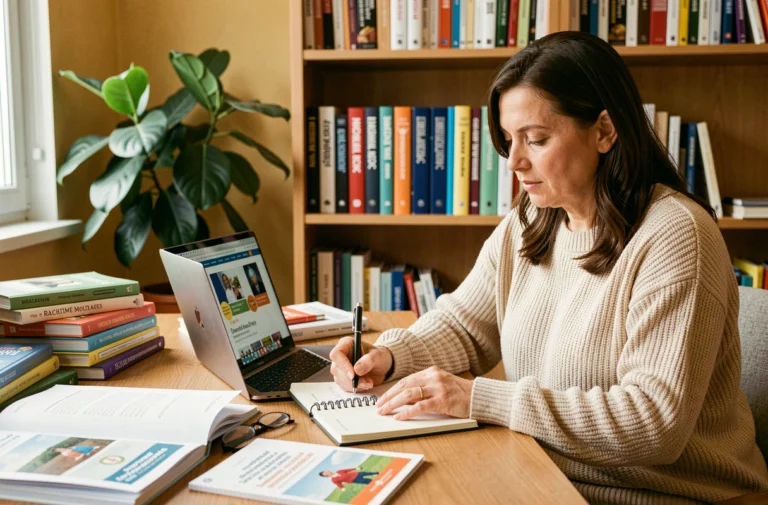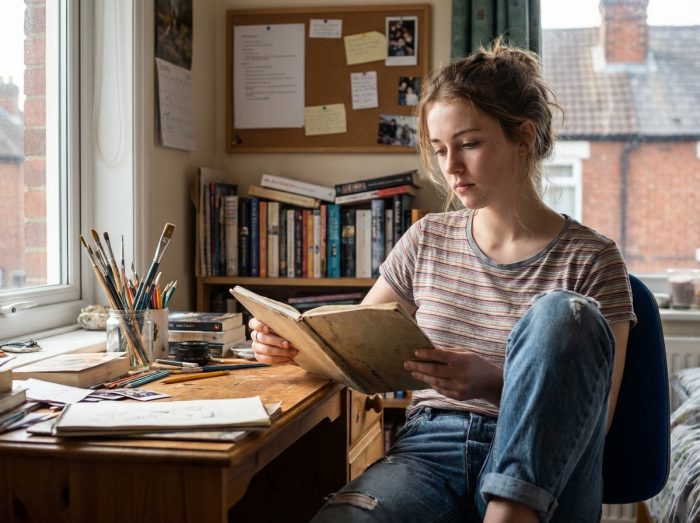
Every year, nearly a quarter of students admitted to an art school in France drop out before the end of their first year. Some institutions require prior enrollment in a preparatory class, while others welcome students directly after high school, without filters. This disparity fuels confusion that is rarely clarified by official statements and creates contradictory expectations within families.
Between institutional recommendations and the atypical paths of recognized professionals, there is a lack of clear markers. The advice given by career counselors is not always enough to ease the tensions that arise at home during the decision-making process on Parcoursup.
Art prep or bachelor: understanding expectations and stakes on Parcoursup
The duel between art prep and bachelor design arises year after year starting in the final year of high school, provoking debates and hesitations. More than just a choice of training, it is a gateway to a personal journey, the foundation of a portfolio to build, ambitions to assert. On Parcoursup, the requirements are precise: art prep prepares for competitions, stimulates creativity, allows for refining one’s portfolio, and teaches how to present a portfolio. One discovers various fields, from graphic design to animation, including decoration and design. The leveling course offered by prep provides time, opens doors to international art schools, visual arts bachelor’s programs, animation, and specialized master’s degrees. Behind all this lies a range of professions: illustration, scenography, heritage restoration, space design, photography…
Conversely, directly entering a bachelor program attracts students with its grounding in the concrete, quick access to the professional world, and the opportunity to engage in internships early on. However, it quickly becomes clear that not all schools are listed on Parcoursup, and parallel admissions are not automatic. Taking one’s place requires careful consideration of one’s portfolio, motivation, and a precise understanding of the spirit of each program. Comparing art prep and direct entry into a bachelor program forces one to clarify priorities, look beyond shiny titles, and question real job prospects and the diversity of the sector. The art professions listed by the Ministry of Culture reflect an incredible plurality: 281 possible paths, indicating that there is not just one single route to follow blindly.
How to communicate with parents without losing sight of your own aspirations?
Lou, a high school graduate with a scientific background, attempted PACES, faced a setback, continued with a scientific degree, and then sought her place in art prep. This journey illustrates the frequent tug-of-war between family pressure and the desire to find one’s own path. Discussing with parents is never just a matter of orientation: it is about expressing one’s own idea of happiness at work, meaning, and daily balance.
Jean-Paul, on the other hand, starts with a STMG high school diploma, moves on to a BTS MUC, tries law, and then makes a turn towards space design. A disjointed path, but perfectly coherent once analyzed. Taking the time to explain one’s choices and desires is crucial to prevent the dialogue from turning into confrontation. Talk about what motivates you, describe your experiences, and show the coherence of your project. The energy put into building a portfolio, the attraction to the diversity of disciplines, the curiosity for space design or illustration—all of this matters more than ticking boxes in front of a computer.
Eva has taken a different path: private prep, small jobs, art and illustration courses, until care design became an obvious choice. Her story reminds us that the paths leading to art professions often deviate from the traditional route, and that every marginal experience becomes a resource when it comes time to assert one’s uniqueness.
Sometimes, burnout lurks, especially due to concessions or exhaustion related to passion. It is essential to stay in control and allow oneself some respite. Succeeding in an artistic profession means maintaining a dialogue between one’s desires and reality while keeping a clear perspective on the sector. Family discussions become richer when they are grounded in concrete realities, to collaboratively invent a personal and viable project.
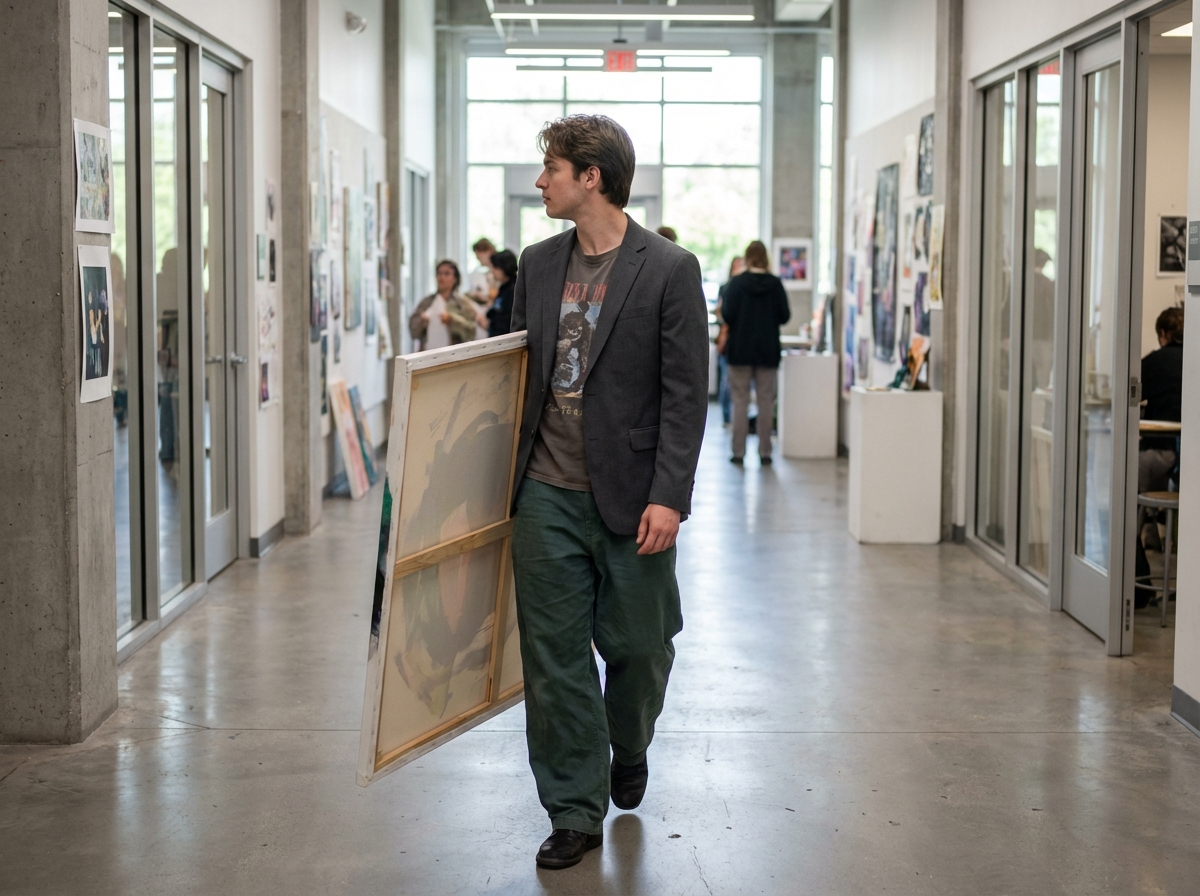
Concrete advice for choosing calmly and without regrets
There is no single verdict: the choice between art prep and bachelor depends on your relationship with creativity, your working style, and your needs. It is worth reflecting on what you are looking for: exploring various techniques, allowing yourself time to develop a solid portfolio, benefiting from the support of artist-teachers? Prep provides just that time for experimentation and personal development, a valuable step to solidify one’s approach and then confidently tackle the challenges of competitions or admissions to art schools.
If the idea of jumping straight into the concrete appeals to you, of multiplying internships, collaborating with field professionals, and specializing without delay, then the bachelor is the way to go. However, one must consider the pace, the expected autonomy, and the sometimes abrupt level differences right from the first year. Experiences illustrate this: success in the artistic sector requires solid organization, regular time investment, and the ability to go beyond the confines of classes.
To maximize your chances of making the right decision, here are some essential steps to take:
- Meet with schools, talk to current students, ask to browse through old books to understand the real expectations.
- Test various media, try your hand at competitions, and gather information on paths in diverse fields such as graphic design, space design, illustration, or animation.
The sector is brimming with possibilities, with 281 artistic professions according to the French administration, and requires genuine clarity about one’s choices. Don’t base everything on momentary enthusiasm: build your project, anticipate difficulties, and value every experience that sharpens your perspective. It is these considered choices, driven by reflection, that will shape a unique and solid path, one that is not told through statistics or titles but is experienced and forged year after year.