More than a quarter of French retirees report feeling a decline in morale in the two years following the end of their professional activity, according to a study by Drees. However, 68% believe that retirement offers the opportunity to explore new activities and strengthen their social connections.
Local initiatives, often unknown, facilitate access to health prevention workshops, discussion groups, or tailored digital training. Public authorities are multiplying initiatives to encourage engagement, mobility, and autonomy over the years.
Aging Well: Why Retirement Marks a New Beginning
Retirement does not signify a pause, but rather the promise of a new chapter. When the work rhythm stops, daily life is reinvented. In France, life expectancy continues to rise: it is becoming urgent to rethink this long period, to see it as a field of exploration, not a dead end.
This shift, sometimes abrupt, can shake the social connection. Isolation, the feeling of going in circles, loss of meaning: these pitfalls are not uncommon. However, research is clear: withdrawal weakens health, while an active circle acts as a true shield. Getting involved, passing on knowledge, staying curious: these are all levers to preserve autonomy and mental vitality.
To stay on course, several options are available to you. Platforms such as seniorsconnexion.fr provide resources, testimonials, and advice to help you cross this threshold. Here are some concrete ideas to maintain the momentum:
- regular social activities,
- volunteer or community engagement,
- intergenerational sharing,
- creative or cultural projects.
The time of retirement does not rhyme with passivity. On the contrary, it invites you to reinvent social life, to weave connections, to give new life to your days. Embracing this transition means choosing to strengthen your autonomy, to act for your health, and to value your journey.
What Concrete Advice to Preserve Health and Well-Being After 60?
After 60, preserving health and well-being relies on a succession of small gestures, repeated consistently. Nothing extraordinary: walking, gardening, swimming, or engaging in gentle activities all stimulate the body, limit falls, and support autonomy. The figures are telling: moving every day slows the loss of autonomy and wards off chronic diseases.
At the table, the contents of the plate also take on great importance. Prioritizing a balanced diet, rich in fruits, vegetables, whole grains, fish, and good vegetable oils: this is the key. The Mediterranean model, often cited as an example, protects the heart and brain while supporting vitality.
Another reflex to instill: medical follow-up. Regular check-ups allow for the early detection of signs of trouble and the adaptation of care pathways. Prevention, here, makes a difference and helps delay the onset of age-related pathologies.
Structuring your days also helps maintain balance. Incorporating moments of physical activity, creative appointments, and meetings nourishes mental health. Joining workshops, exchanging with others, investing in groups or collective projects: all these are opportunities to maintain mental health and stimulate intellectual agility.
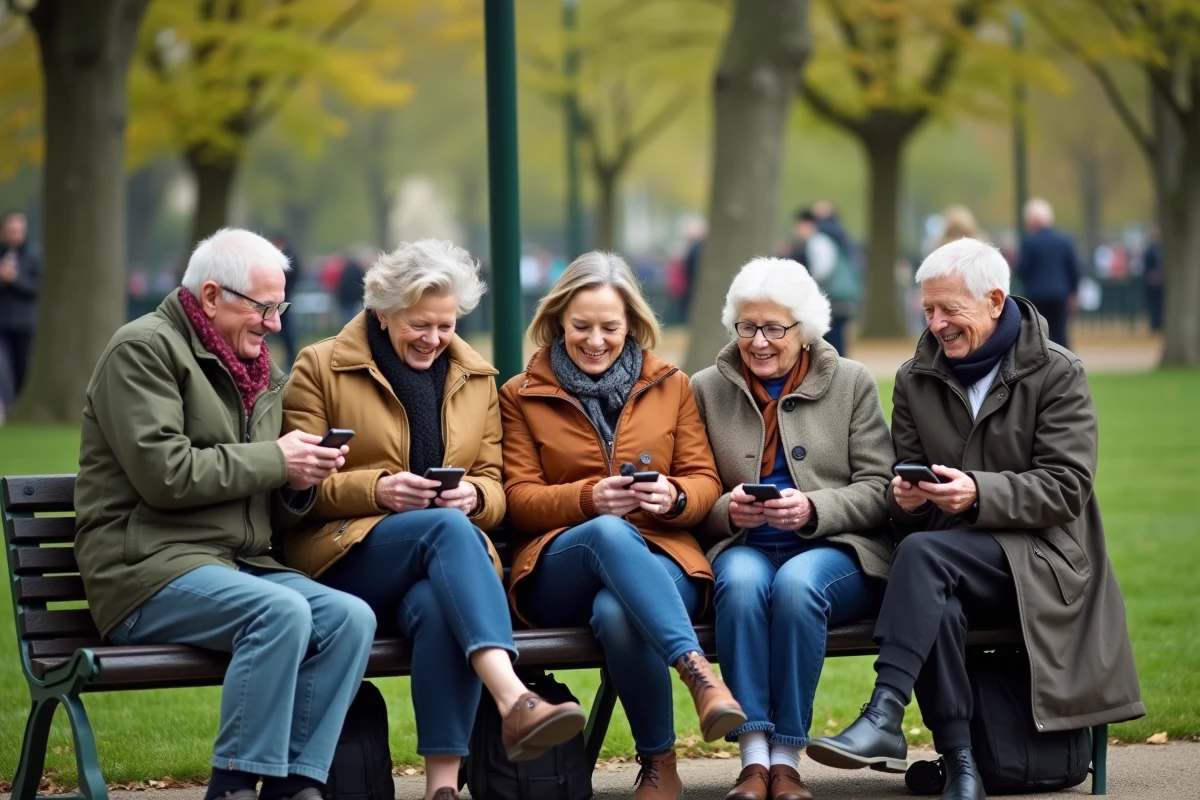
Overview of Solutions to Stay Active, Curious, and Connected in Retirement
Retirement is not just the end of professional activity: it is a time to multiply experiences, provided that social connections are nurtured. Volunteering appears as a concrete response to loneliness. It gives meaning, structures the days, and creates new reference points. Participating in community life, contributing to common projects: each commitment strengthens the feeling of usefulness and expands the circle of relationships.
For those looking to renew themselves, France is full of clubs and associations: creative workshops, cultural outings, adapted sports… Diversity is on the agenda, everyone can find their place, cultivate their curiosity, and share passions. While family and friends remain essential, these spaces also foster the emergence of new friendships, often intergenerational.
Digital technology also changes the game. Video conferences, online exchanges, and remote training allow for staying connected, even with reduced mobility. Some choose to settle in senior residences that focus on conviviality and autonomy while ensuring a secure environment.
A financial aspect underpins these choices: the question of budget remains central. Planning savings, protecting assets, and mobilizing available financial aid allows for approaching this transition with greater peace of mind. This economic foundation paves the way for engagement, discovery, and sharing.
Nothing requires retirement to rhyme with withdrawal. On the contrary, it can become the ground for a new lease on life, where each day counts, full of woven connections, shared knowledge, and renewed curiosity. The future remains to be written, and it deserves to be vibrant.